
Digital Series from the Future Fabrics Expo
This new DIGITAL Materials Solutions series seeks to inform and educate on the place of specific fibre categories in a preferred materials mix , and their important place in reshaping and creating a responsible, sustainable and restorative fashion industry.
This unprecedented global pandemic has forced us all to cease the relentless activity that the fashion industry demands of us, and has created space for us to pause, and reflect upon how our choices can contribute to new, responsible practices that must emerge from the current crisis.
Materials play a critical role in building a fashion industry that places people and planet as priorities, and the creation of equitable economic systems that replace the current unsustainable, polluting and waste generating model.
Join us as we look forward to recovery from this pandemic, both for our collective human health, and that of the planet. This current emergency has given us all an opportunity to reimagine our industry, and to define what successful business really means for people and planet and work towards a responsible and positive relationship with our planet’s resources.
- The series is supported by key examples of commercially available qualities from our Virtual Expo.
- Provides insights into our suppliers best practice materials.
- Each fibre category in the series is accompanied with a dedicated key information and useful links sheet.
Tickets are no longer available. The Material Solutions Series is available for purchase on Gumroad here:
PURCHASE THE COMPLETE SERIES HERE

INTRODUCTION - Wednesday 29th April
This session frames our current materials landscape, and explores the crucial place of a diverse, responsibly created materials mix. The principles of regenerative design and other design thinking systems that can support and inform the creation of a responsible industry for the future will be discussed.
- Introduction to The Sustainable Angle’s criteria and ‘9 to Define’ design and systems thinking approach to rationalising material and design
- Gain insight into the six material categories that will be covered each week following this introductory session.

COTTON - Wednesday 6th May
Conventional cotton is the most important natural fibre, accounting for a quarter of global fibre demand, and grown in intensively farmed unsustainable monocultures around the globe. With its roots in the slave trade, human rights abuses still pervade the supply chain of conventionally grown cotton.
- Learn how best practice cotton agricultural practices can transform the environmental and social impacts of this fibre, and its role in carbon sequestration.
- Understand the critical impacts of this fibre, and which types of cotton to prioritise and why.
BAST FIBRES + AGRICULTURAL WASTE - Wednesday 13th May
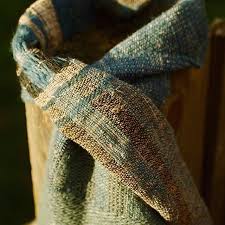
This session focuses on the under-explored bast category of stem fibres, harvested from flax, hemp, ramie, nettle, etc. and the new agriculturally harvested waste category of grown cellulose.
- Learn about the properties and inherent sustainability credentials of the bast category of fibres.
- Discover how the ingenious use of cellulose from agricultural waste is reframing new material innovation of the future.
PROTEIN FIBRES - Wednesday 20th May
The use of animal fibres has a long history, offering complex structures and properties that man made fibres cannot replicate.
- However, land use, unethical practices and processing impacts, and environmental impacts as a result of intensive farming have raised questions.
- Discover best practice initiatives for sourcing protein fibres.

REGENERATED CELLULOSICS - Wednesday 27th May
As a man- made cellulose fibre, this category of cellulosics is an important fibre source and its comfortable and absorbent properties are much sought after as an alternative to cotton.
- Understand the provenance and processing systems that enable best practice choices in this fibre category.
- Discover the next generation of regenerated fibres poised to provide more diverse fibre sources.

SYNTHETICS & RECYCLED - Wednesday 3rd June
From the middle of the twentieth century synthetic fibres have dominated our fibre landscape, and currently account for two thirds of global fibre demand.
- Understand the negative impacts of this non-renewable fibre source, and learn how our reliance upon this petroleum derived group of fibres needs to be re-focused.
- Discover how recycling technologies can limit impacts and utilise waste streams to recapture value and contribute to the circular economy.
LEATHER & SKIN ALTERNATIVES - Wednesday 10th June
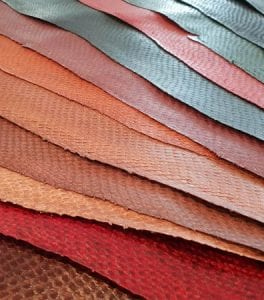
For many centuries the skins of animals have been valued as a durable by-product of the meat industry. However, current intensive farming practices are contributing to the decimation of rainforests, clearing land for intensively raising ever increasing numbers of cattle, thus contributing to CO2 emissions.
- Learn about the place of responsibly farmed and processed animal skins in a diverse materials mix.
- Explore the growing interest in innovative alternatives that meet demands for non- animal products that limit petrochemical use.

SUMMARY: FUTURE PROOFING FASHION - Wednesday 17th June
This session draws together the key learnings from the six material sessions to provide an overview of the diverse material directions that will contribute to future proofing our industry.
- Critical perspectives on where the new materials solutions, directions and opportunities lie in shaping a re-imagined and responsible future for fashion will be explored.
- The conversation will focus on how the fashion industry can play a positive role? How can its supply chains be climate positive, protect biodiversity and the oceans – what materials to be used to achieve that?
SIGN UP TO THE SUSTAINABLE ANGLE NEWSLETTER
Sign up to our newsletter!
Subscribe for the latest news and updates on the Future Fabrics Expo, direct to your inbox.
